
Creating truly inclusive workplaces requires more than good intentions. It requires listening, learning, and taking action.
That’s why I was honoured to sit down with Michelle Ferreri for an in-depth conversation about autism, advocacy, and the future of inclusive employment through Autism Workforce Solutions.
This interview was deeply personal for me. As an autistic professional, entrepreneur, and advocate, I know firsthand how powerful supportive workplaces can be and how damaging exclusion can feel.
Our conversation focused on how we can do better. For individuals. For organizations. And for society as a whole.
Why This Conversation Matters
Autistic and neurodivergent professionals continue to face barriers in hiring, advancement, and daily workplace experiences. These barriers are often unintentional, but they are real.
In my conversation with Michelle, we explored:
Why traditional hiring and management practices often exclude neurodivergent talent
How stigma and misunderstanding still affect employment outcomes
The role of leadership and policy in shaping inclusive systems
Why lived experience should guide workplace decisions
Inclusion is not about lowering standards. It is about removing unnecessary obstacles so people can contribute fully and authentically.
From Lived Experience to Leadership
My journey through corporate roles, entrepreneurship, and advocacy shaped the creation of Autism Workforce Solutions.
Like many autistic professionals, I learned early on how to adapt, mask, and overcompensate just to be seen as “professional.” While this helped me succeed, it also came at a cost.
Through this interview, I shared:
The emotional and professional impact of navigating workplaces not designed for neurodivergent minds
How resilience and self-advocacy became essential skills
Why I chose to build a business focused on systemic change
Autism Workforce Solutions was founded to move organizations beyond awareness and toward meaningful action.
What Inclusive Employment Really Looks Like
One of the key themes in our discussion was that inclusion must be practical, measurable, and sustainable.
True inclusion includes:
✔ Clear communication and expectations
✔ Flexible work structures
✔ Strength-based management
✔ Accessible recruitment processes
✔ Psychological safety
✔ Ongoing education and accountability
When organizations invest in these areas, everyone benefits. Productivity improves. Retention increases. Innovation grows. Workplace culture becomes healthier.
Inclusive employment is not charity. It is smart leadership.
The Role of Advocacy and Policy
Michelle and I also discussed the importance of political leadership and public policy in shaping employment opportunities.
While employers play a major role, systems-level change is also needed. This includes:
Stronger accessibility standards
Better employment supports
Funding for training and awareness
Recognition of neurodivergent leadership
When policymakers listen to lived experience, policies become more effective and more humane.
Why I Started Autism Workforce Solutions
Autism Workforce Solutions exists to help organizations turn commitment into action.
Our work focuses on:
Employer training and education
Workplace audits and assessments
Policy and process development
Leadership coaching
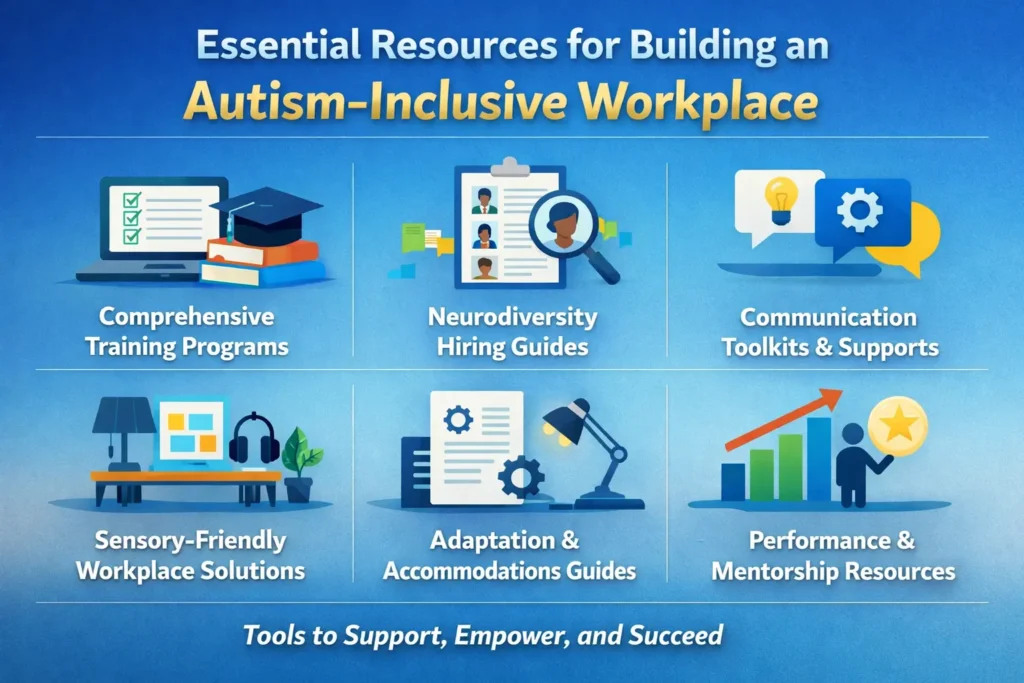
Practical tool kits and resources
The goal is simple: help organizations build environments where neurodivergent professionals can thrive without having to hide who they are.
Moving Forward Together
This interview reminded me why this work matters.
Every conversation helps normalize neurodiversity.
Every shared story reduces stigma.
Every informed leader creates ripple effects.
Change does not happen overnight. It happens through consistent effort, honest dialogue, and collaboration.
I am grateful to Michelle for engaging in this important conversation and for helping amplify the voices of autistic professionals across Canada.
Watch the Full Interview
If you haven’t yet watched the full conversation, I invite you to do so:
🎥 https://youtu.be/IY6Y2qV0umc
Whether you are an employer, HR professional, policymaker, educator, parent, or advocate, I hope this interview encourages you to reflect on how you can support inclusive employment in your own sphere of influence.
Let’s Keep the Conversation Going
If this topic resonates with you, I’d love to hear from you.
💬 What does workplace inclusion mean to you?
📩 Interested in working together? Contact me through the website
📢 Share this post to help spread awareness
Together, we can build workplaces where neurodivergent talent is respected, supported, and empowered.
Karina Gaudier
Founder, Autism Workforce Solutions

Clear and thoughtful article. I like how you focus on impact and patterns, not just whether something feels uncomfortable. That distinction helps readers reflect without jumping to self-diagnosis.
The calm, grounded tone makes it easier to understand when something is part of normal life—and when it might be worth getting support.